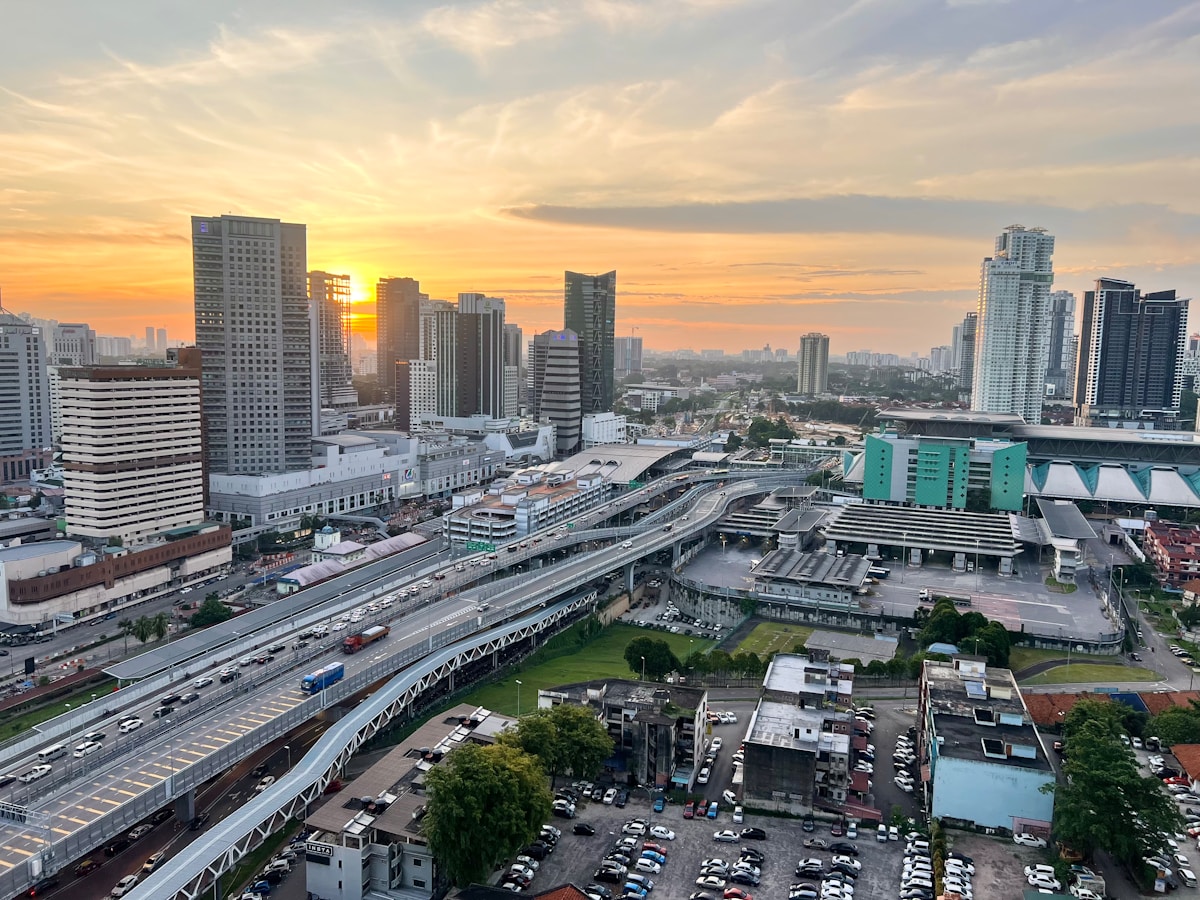
Johor Bahru Travel Guide: Malaysia's Gateway to Singapore
Johor Bahru sits 1km from Singapore across the Johor Strait. A practical guide to crossing the border, what's worth doing in JB, and how long to stay.
Guides for Johor Bahru
Johor Bahru - JB - is Malaysia’s southernmost major city, separated from Singapore by the 1km-wide Johor Strait. The two cities are connected by the Johor Causeway (the busiest land border crossing in the world by some measures) and the Eastern Dispersal Link. JB has a population of around 600,000, and the wider Iskandar Malaysia development zone around it is considerably larger.
Most visitors transit through JB rather than making it a destination in itself - it functions as Malaysia’s entry or exit point for Singapore travellers. But the city has a genuine character of its own: a more affordable, less polished version of urban Malaysia, with good hawker food, a functioning night market culture, and interesting colonial buildings that don’t attract the crowds of Georgetown or Malacca.
What to Do in JB
Jalan Tan Hiok Nee: The most visited street in central JB - a stretch of pre-war shophouses now housing cafés, vintage shops, and murals. The weekend night market here is the most accessible entry point to JB’s street food scene. Laksa, satay, and local desserts from RM5–15.
Sultan Abu Bakar State Mosque: A 19th-century mosque on the waterfront hill overlooking the strait. Open to non-Muslim visitors outside prayer times (modest dress required). The views across to Singapore from the grounds are among the most directly legible illustrations of the two countries’ geographical proximity.
Johor Bahru City Square and Komtar JBCC: Major shopping malls one block from the causeway - the primary reason many Singaporeans cross the border. Electronics, fashion, and food courts at Malaysian prices. Practical rather than interesting, but illustrative of JB’s cross-border economy.
LEGOLAND Malaysia: Located in Medini, Nusajaya, about 30 minutes from central JB by taxi (RM30–40 one-way). Southeast Asia’s first LEGOLAND, with a water park adjacent. RM140–200 per person for park entry. Relevant mainly for families with children.
Danga Bay: A waterfront entertainment area 6km from central JB - restaurants, a small amusement area, and a weekend market. More a local leisure spot than a tourist attraction, but pleasant for an evening walk and seafood dinner (RM40–80 for a seafood meal at the outdoor restaurants).
Getting There
From Singapore: The most common approach.
- KTM Shuttle Train: JB Sentral to Woodlands (Singapore). Passport control at each end. RM5 one-way. Trains run frequently. The train avoids road traffic and typically takes 30–45 minutes total including border processing.
- By bus: Causeway Link and several other operators run between Woodlands, Queen Street bus terminal (Singapore), and JB Sentral. RM4–8 one-way. Bus times vary enormously depending on causeway traffic.
- By taxi/Grab: Cross-border taxis (hired in Singapore) cost SGD40–80 depending on traffic and timing. Grab does not operate cross-border - you need to use one Grab in Singapore, cross on foot or by shuttle, and then use Malaysian Grab on the JB side.
From Kuala Lumpur: Bus from TBS terminal to JB Sentral (3.5–4 hours, RM25–35 with several operators including Transnational, KKKL, and Aeroline). KTM Intercity trains also serve the KL–JB corridor, though schedules are less frequent than the bus.
From Singapore: For a full breakdown of all Singapore–KL transport options - bus operators, the two-leg train journey via JB Sentral, flights, and detailed border crossing advice - see our Singapore to Kuala Lumpur transport guide.
Getting Around JB
Grab is reliable in central JB and the main commercial areas. Street taxis are available but negotiate the fare before entering - metered taxis are the legal requirement but some drivers prefer to quote flat fares. Most of the sights in central JB are walkable from JB Sentral, though the heat makes Grab the more comfortable option for anything over 1km.
How Long to Spend
Most travellers spend one night in JB or treat it as a transit point. A single afternoon and evening is enough to see central JB’s highlights and have dinner before crossing into Singapore or heading north. Only LEGOLAND or a specific event would justify more than one night for most visitors.
The practical reality is that JB’s strongest selling point is being significantly cheaper than Singapore - for Singaporean visitors doing a food run or weekend shopping, and for international visitors who want to experience Malaysian street food and city life before crossing into Singapore. As a standalone destination, it is secondary to KL, Penang, and the Borneo states.
Browse tours and activities, Book airport transfers, or Get a Malaysia eSIM.
More Johor Bahru Guides
- Things to do in Johor Bahru - LEGOLAND, Arulmigu Rajamariamman temple, Danga Bay, and border crossing tips
- Best hotels in Johor Bahru - hotels near JB Sentral and the CIQ checkpoint, with options by budget
- Food to try in Johor Bahru - Johor laksa, mee bandung, otak-otak, and the best hawker centres in central JB
- Singapore to Kuala Lumpur transport guide - all options for crossing between Singapore and KL via Johor Bahru
- Malaysia and Singapore itinerary - 10-day route combining peninsular Malaysia with Singapore, crossing via JB
- Getting around Malaysia - buses, trains, and transport options for travel into and out of Johor Bahru
- Best national parks in Malaysia - Endau-Rompin National Park, accessible from JB, for Sumatran wildlife and primary forest
Upcoming Events in Johor Bahru
Deepavali 2026
Deepavali 2026 falls on 20 October - a public holiday across Malaysia. Brickfields in KL and Little India in Penang are the most atmospheric spots.
Book an experience
Top experiences in Johor Bahru
Explore the best tours and activities in Johor Bahru, with instant confirmation and free cancellation on most bookings.