Kota Kinabalu Travel Guide
Plan your trip to Kota Kinabalu — gateway to Mount Kinabalu, Tunku Abdul Rahman Marine Park, and Sabah's wildlife corridor.
Guides for Kota Kinabalu
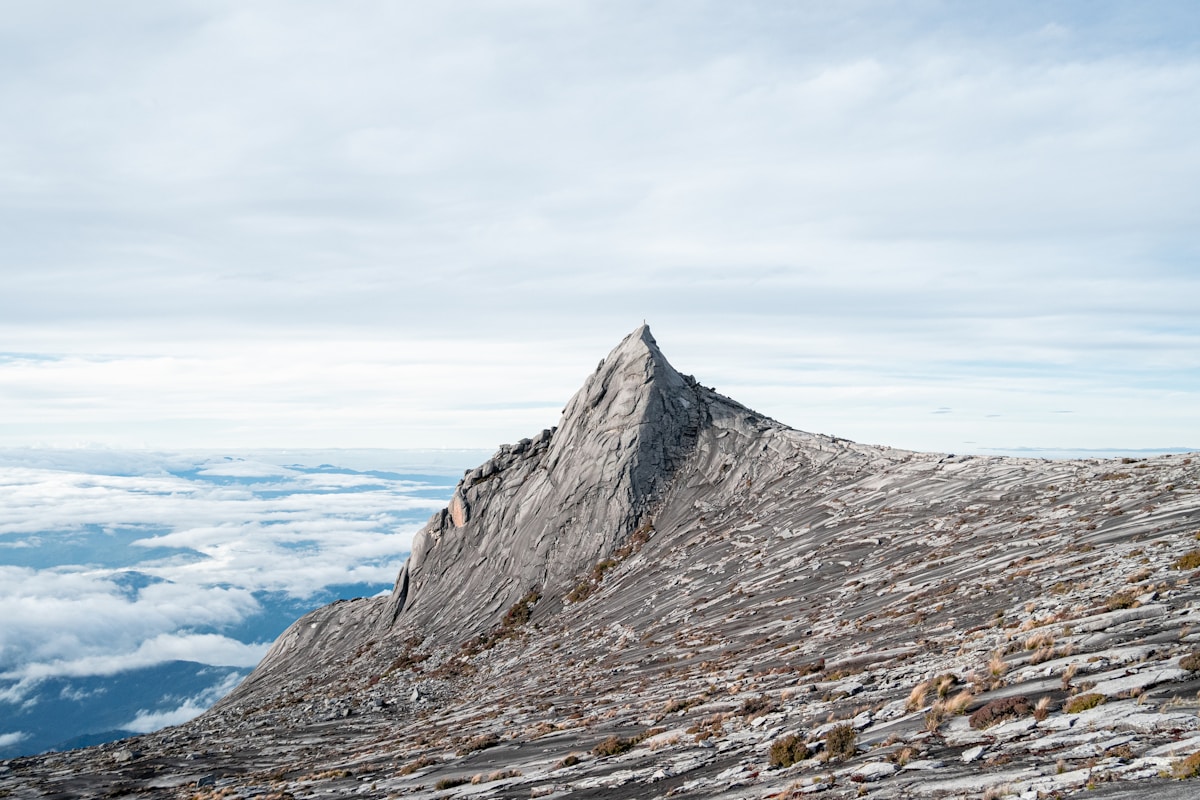
Kota Kinabalu - usually shortened to KK - is the capital of Sabah state and sits on the northwest coast of Malaysian Borneo, facing the South China Sea. With a population of around 500,000, it is the largest city in Borneo and the main point of entry for travellers coming to explore one of Southeast Asia’s richest wildlife and adventure destinations. The city itself is compact and functional rather than architecturally remarkable, but what surrounds it is extraordinary: the highest peak in Southeast Asia is two hours to the east, five coral islands are a 20-minute boat ride offshore, and the Kinabatangan River - one of the world’s most productive wildlife corridors - is accessible from here with a day’s travel.
KK sits at the junction of several cultures. The indigenous Kadazan-Dusun are the largest ethnic group in Sabah and have a strong presence in the markets, cultural villages, and harvest festivals across the state. The Bajau - historically seafaring people - make up much of the coastal population around KK. Malay and Chinese communities are significant in the city itself. The result is a food scene and a street-level culture that reflects Borneo more than it does peninsular Malaysia.
Getting to Kota Kinabalu
Kota Kinabalu International Airport (IATA: BKI) handles direct flights from Kuala Lumpur (approximately 2 hours), Singapore (approximately 2.5 hours), and a number of other Asian hubs including Hong Kong, Taipei, Seoul, and Manila. AirAsia, Malaysia Airlines, Batik Air, and several regional carriers operate routes here. There is no overland connection to peninsular Malaysia - flying is the only practical option.
From the airport into the city, Grab is available and costs roughly RM20–30 to the central waterfront area. Metered taxis also run from the airport; agree a price before you get in (RM25–40 is typical depending on your destination within KK). The journey takes 15–25 minutes depending on traffic.
Getting Around Kota Kinabalu
Within the city, Grab is the most practical and consistent option. Fares within KK’s compact centre rarely exceed RM10–15. For day trips to Kinabalu Park, Poring Hot Springs, and Kota Belud, you can rent a car in Sabah (from RM80/day), join an organised tour, or take a minivan from the Padang Merdeka bus terminal near the waterfront. Most hostels and hotels can arrange day-trip transfers.
Key Neighbourhoods and Orientation
The city centre is walkable and anchored by the waterfront, which stretches from the main ferry terminal (Jesselton Point) south toward Sutera Harbour. The Central Market and Filipino Market sit on the waterfront and are the city’s most active public spaces. The commercial core - banks, pharmacies, mid-range restaurants - runs a few blocks inland along Jalan Gaya.
Sutera Harbour, about 2km south of the centre, is a resort enclave with marinas, golf, and several large hotels. It is quieter than the city centre but requires a taxi or Grab to reach most points of interest. For first-time visitors, staying in or near the city centre gives better access to the marine park jetty and the markets without adding unnecessary transit.
Climate and When to Go
KK has an equatorial climate - warm and humid year-round, with rainfall possible at any time. The months from May to September are marginally drier and considered the better season for diving and outdoor activities. The northeast monsoon (October to February) brings heavier rain, though it rarely shuts down travel entirely. Mount Kinabalu’s summit climb can be done year-round, but clear summit views are more likely in the drier months.
What KK Does Well
The waterfront at sunset is legitimately good - the view across the South China Sea with offshore islands silhouetted against the evening sky is one of the better urban views in Malaysia, and it costs nothing. The Filipino Market adjacent to the waterfront has some of the freshest seafood in the state, and eating grilled fish and shellfish at the market stalls while watching the sun go down is as good as any comparable meal in a restaurant.
The access to Tunku Abdul Rahman Marine Park - five coral islands within 30 minutes by boat - makes KK genuinely useful for beach and snorkelling days that don’t require a long journey. And as the logistics base for Sabah, KK is where you arrange permits for Kinabalu, book Kinabatangan river tours, and connect to onward domestic flights to Semporna (for Sipadan diving) or Sandakan (for orangutans and sun bears). For Kinabalu climbs, cultural village visits, and Kinabatangan trips, tours from Kota Kinabalu handle logistics that are genuinely difficult to organise independently on short notice. If you’re already in Sabah and booking within the next few days, check last-minute availability - marine park day trips and Kota Belud transfers often hold spots into the final week.
Food and Markets
The Central Market (Pasar Besar Kota Kinabalu) is best in the early morning, when local fishermen and farmers bring in fresh catch and produce. The upper floor has cooked food stalls serving Malay and local Sabahan dishes - nasi lemak, laksam, and a variety of rice and noodle options for RM5–10 a plate.
The Filipino Market next door specialises in seafood, handicrafts, and pearls. The seafood section has live tanks and barbecue stalls; choose your fish or prawns by weight, have them grilled, and eat at the tables alongside the water. Prices are negotiable and generally fair. Go for dinner rather than lunch for the best atmosphere.
Jalan Gaya has several coffee shops serving local Chinese-influenced breakfast: wonton noodles, pork noodles, roti kahwin (toast with kaya and butter), and teh tarik. For a wider range of evening food, Lintas and Damai areas, about 5km from the centre, have concentrated clusters of hawker stalls and casual restaurants popular with locals.
More Kota Kinabalu Guides
- Things to do in Kota Kinabalu - island hopping, Tunku Abdul Rahman Marine Park, Kota Belud market, and city highlights
- Best hotels in Kota Kinabalu - hotels by neighbourhood and budget, from city centre options to Sutera Harbour resort
- Wildlife around Kota Kinabalu - Lok Kawi Wildlife Park, Klias wetlands fireflies, and Kinabatangan river access from KK
- Diving and snorkelling near KK - Tunku Abdul Rahman Marine Park day trips, dive sites, and PADI courses
- Food to try in Kota Kinabalu - fresh seafood, Filipino Market, Filipino-influenced dishes, and waterfront dining
- Day trips from KK - Kinabalu Park, Poring Hot Springs, Tambunan, and the Kadazan-Dusun interior
- Kota Kinabalu vs Kuching - Sabah vs Sarawak: which Borneo city suits your trip?
- Climbing Mount Kinabalu guide - permit booking, the 2D1N climb, Laban Rata huts, and what to expect on summit day
- Borneo wildlife guide - orangutans, pygmy elephants, and how to plan wildlife watching across Sabah and Sarawak
- Borneo adventure itinerary - 10-day route from KK through Mount Kinabalu, Sandakan, Kinabatangan, and Kuching
- Best diving in Malaysia - Tunku Abdul Rahman Marine Park in context with Sipadan and the east coast islands
- Digital nomad guide to best cities in Malaysia - why Kota Kinabalu appeals to remote workers who want Borneo access
Upcoming Events in Kota Kinabalu
Deepavali 2026
Deepavali 2026 falls on 20 October - a public holiday across Malaysia. Brickfields in KL and Little India in Penang are the most atmospheric spots.
Book an experience
Top experiences in Kota Kinabalu
Explore the best tours and activities in Kota Kinabalu, with instant confirmation and free cancellation on most bookings.