Kuala Lumpur Travel Guide
Plan your trip to Kuala Lumpur — neighbourhoods, top attractions, getting around, food, and the best time to visit Malaysia's capital.
Guides for Kuala Lumpur
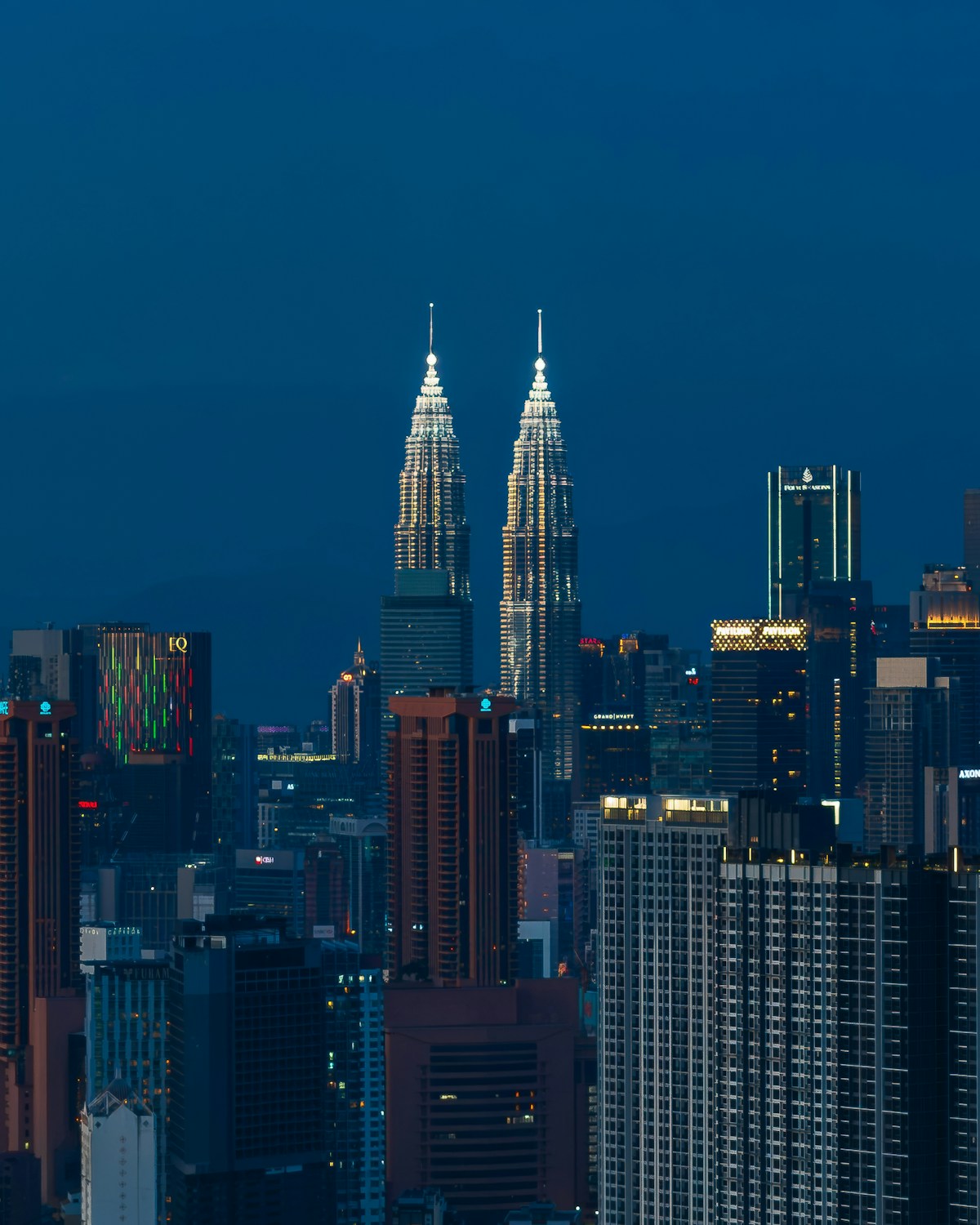
Kuala Lumpur is Malaysia’s capital and its commercial and cultural engine. The metropolitan area holds around 8 million people, making it one of Southeast Asia’s larger urban centres, and the city mixes Malay, Chinese, and Indian influences in ways that show up most plainly in the food, the architecture, and the neighbourhoods. The skyline is dominated by the Petronas Twin Towers - until 2004 the tallest buildings in the world and still among the most recognisable structures in Asia - but KL is far more than one landmark.
Key Neighbourhoods
KLCC (Kuala Lumpur City Centre) is the financial and hotel district, built around the Towers and Suria KLCC mall. It is polished, expensive, and convenient for transit. Most international luxury hotels are here.
Bukit Bintang sits directly south and is KL’s main shopping and nightlife corridor. Pavilion, Lot 10, and Fahrenheit88 are all here, along with Jalan Alor - the most accessible night food street for visitors. Mid-range and budget accommodation options are plentiful.
Chinatown / Petaling Street is the historic core. The covered Petaling Street market sells watches, clothes, and bags at negotiable prices. The surrounding streets have good cheap food, budget guesthouses, and the city’s best coffee shops. Central Market (Kasih Pavilion) sits on the edge of this area and has a curated selection of crafts and textiles.
Bangsar is a residential suburb about 6 km south of KLCC. It has the highest concentration of good cafes, independent restaurants, and specialty coffee shops in the city. Many long-stay visitors and expats base themselves here.
Brickfields / Little India is a 10-minute walk from KL Sentral and has one of the densest concentrations of South Indian culture outside India itself - sari shops, banana leaf rice restaurants, and garland sellers lining the streets.
Chow Kit is a working-class Malay and immigrant neighbourhood north of the city centre. The wet market here is the largest in KL and one of the most interesting food markets to walk through. It is not a tourist area, which is precisely why some people prefer it.
Top Attractions
Petronas Twin Towers remain the defining image of KL. The observation deck and sky bridge sit between floors 41 and 86 (RM80–170 depending on tier). Tickets sell out well in advance online - do not turn up expecting walk-in availability.
Batu Caves is a Hindu temple complex built inside a series of limestone caves 13 km north of the city. Entrance is free. The 272-step climb to the main cave passes a 42.7-metre gold statue of Lord Murugan, the tallest in the world of its kind. The caves themselves are genuinely dramatic. Arrive before 9am to avoid the worst of the crowds and heat. If you’d prefer a guided experience, tours from Kuala Lumpur include Batu Caves and other highlights with transport included. Booking within a day or two of your visit? Check last-minute availability - most KL city tours confirm instantly.
KL Tower (Menara KL) predates the Petronas Towers but at 421 metres still gives one of the best views in the city. The observation deck costs RM105 for adults. It sits on Bukit Nanas, a small forested hill reachable by a short jungle walk from the base.
Islamic Arts Museum Malaysia is arguably the finest museum of its kind in Southeast Asia. The collection covers Islamic art, architecture, and calligraphy from across the Muslim world. Entry is RM20. Allow two to three hours.
Merdeka Square is where Malaysian independence was declared in 1957. The Sultan Abdul Samad Building faces the square and is one of the best examples of Moorish Revival architecture in the region. The area is photogenic and free to walk around.
Getting to Kuala Lumpur
KL is served by two airports: KLIA (Kuala Lumpur International Airport) for full-service carriers, and KLIA2 for budget airlines including AirAsia. Both are 55–75 km south of the city.
The Express Rail Link (KLIA Ekspres) connects both terminals to KL Sentral station in approximately 28 minutes. The adult fare is RM55 one way from KLIA, RM35 from KLIA2 (check current fares as these change). Trains run every 15–20 minutes and have luggage racks and air conditioning. This is the fastest and most reliable option.
Bus services from both airports cost RM10–18 and take 60–90 minutes depending on traffic. Grab from the airport runs RM60–120 and is fine for smaller groups.
Getting Around the City
KL has an extensive rail network: the LRT (two lines), MRT (two lines), KTM Komuter (suburban rail), Monorail (through Bukit Bintang), and the ERL from the airport. For day-to-day travel within the city, the MRT Putrajaya Line and Kajang Line cover the most useful routes. A Touch ‘n Go card (available at any station, RM10 card fee) makes using all rail services significantly easier.
Grab is the dominant ride-hailing app and works reliably throughout KL. Fares are metered and shown before you confirm the ride - typically RM6–20 for short inner-city trips. Standard taxis are still available but using Grab avoids pricing disputes entirely.
Walking between neighbourhoods is often impractical due to heat, humidity, and the road network. KLCC and Bukit Bintang are an exception - they are connected by an underground pedestrian walkway through the mall system.
Climate and Best Time to Visit
KL is equatorial and warm year-round, averaging 27–33°C. Rain can fall at any time. The driest months are typically January–March and June–July. April–May and October–November see heavier rain and occasional flash flooding in low-lying areas. The rain usually comes in short, intense afternoon showers rather than all-day drizzle.
There is no bad time to visit in absolute terms. If you want maximum dry-day probability, January to March is the safest window. Chinese New Year (January or February) is worth timing around - the city celebrates energetically, though some businesses close for a few days.
For food, the Kuala Lumpur food guide covers what to eat and where. For planning accommodation, the best hotels guide breaks down each neighbourhood by budget and transit access.
Deciding between Malaysia’s capital and its heritage food city? Our Kuala Lumpur vs Penang comparison covers transport options, hotels, food, and which destination suits different types of trip.
More Kuala Lumpur Guides
- Things to do in Kuala Lumpur - Petronas Towers, Batu Caves, KL Tower, and neighbourhood walks organised by area
- Best hotels in Kuala Lumpur - KLCC vs Bukit Bintang vs Bangsar, with hotel picks by budget
- Food to try in Kuala Lumpur - nasi lemak, roti canai, char kway teow, and the best places to eat by neighbourhood
- Best restaurants in Kuala Lumpur - sit-down dining from hawker stalls to fine dining, organised by price
- Best cafes to work from in Kuala Lumpur - co-working cafes with fast Wi-Fi across KLCC, Bangsar, and Chow Kit
- Day trips from Kuala Lumpur - Putrajaya, Malacca, Batu Caves, and the Genting Highlands all within reach
- Putrajaya day trip from KL - government quarter, pink mosque, and lake gardens in half a day
- Neighbourhood guide to Kuala Lumpur - KLCC, Bukit Bintang, Bangsar, Chinatown, and Brickfields compared
- Kuala Lumpur vs Penang - choosing between Malaysia’s two most visited cities
- Batu Caves complete guide - the full guide to KL’s Hindu cave temple complex: Rainbow Stairs, Dark Cave, and how to avoid the crowds
- Kuala Selangor day trip - fireflies on the Selangor River and the Sky Mirror sandbar, 65 km from KL
- 3 days in Kuala Lumpur itinerary - a day-by-day plan for a first visit with hotels and food recommendations
- Digital nomad guide to Kuala Lumpur - coworking spaces, best neighbourhoods for long stays, and DE Rantau visa information
- Malaysian street food guide - nasi lemak, roti canai, char kway teow, and the best hawker centres by city
- Vegetarian and vegan food in Malaysia - banana leaf restaurants, Chinese Buddhist hawker stalls, and plant-based dining across KL, Penang, and beyond
- Penang food tours - guided street food walks and hawker tastings in Georgetown, an easy day trip from KL
Upcoming Events in Kuala Lumpur
Hari Merdeka 2026 - Malaysian National Day
kuala lumpur
Hari Merdeka 2026, 31 August. Malaysia's independence day parade at Dataran Merdeka, KL — military procession, fireworks, and midnight flag-raising.
Deepavali 2026
Deepavali 2026 falls on 20 October - a public holiday across Malaysia. Brickfields in KL and Little India in Penang are the most atmospheric spots.
Book an experience
Top experiences in Kuala Lumpur
Explore the best tours and activities in Kuala Lumpur, with instant confirmation and free cancellation on most bookings.