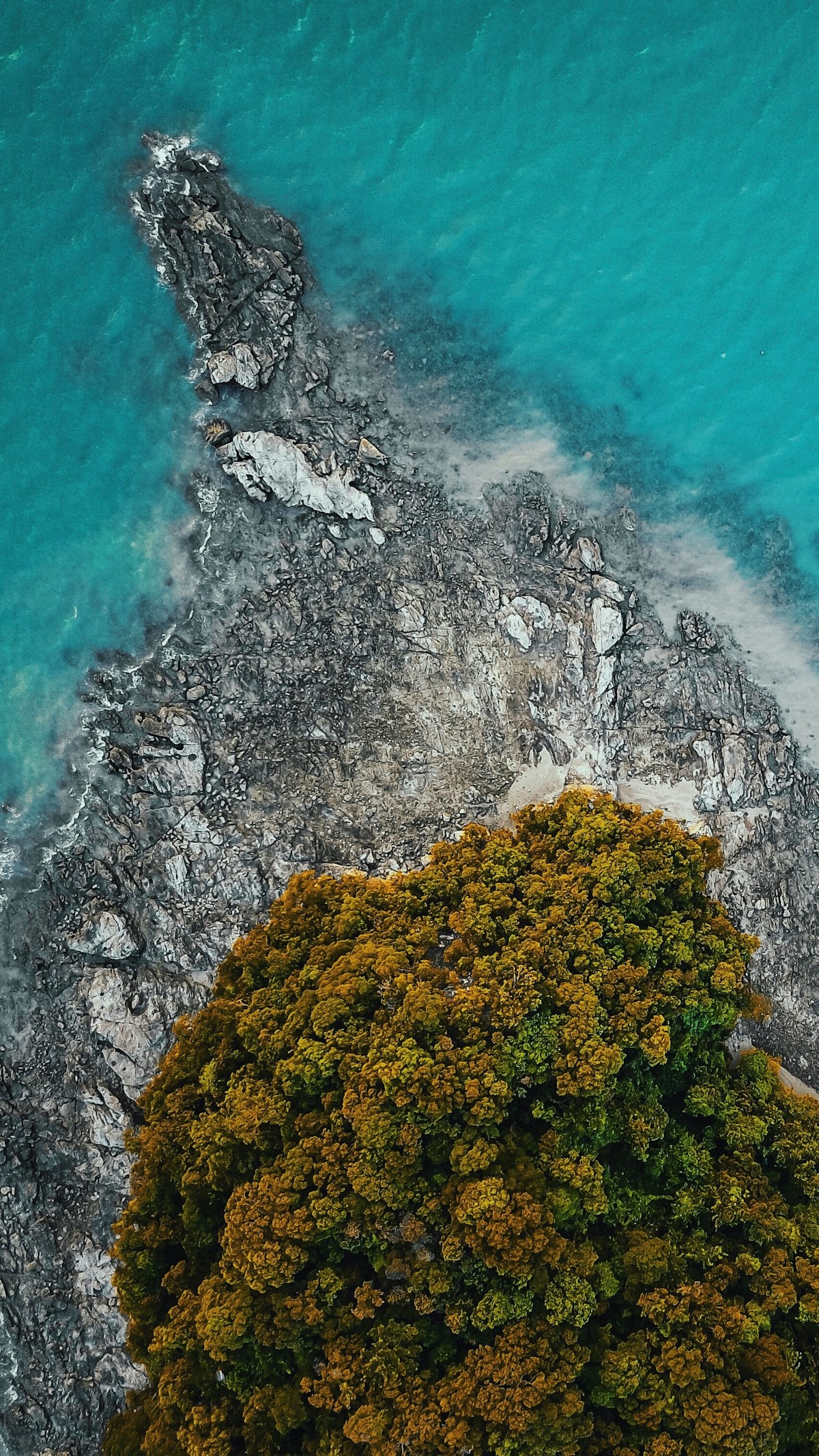
Langkawi Travel Guide
Langkawi: 104 islands, duty-free zone. Flights from KL RM100+ (1h), ferry RM23–70, car rental RM50–80/day. SkyCab, mangrove tours, island hopping.
Guides for Langkawi
Langkawi is an archipelago of 104 islands in the Andaman Sea, sitting at the northwestern tip of Malaysia in Kedah state, roughly 30 km from the Thai border. The main island - Pulau Langkawi - holds around 100,000 residents and has been a designated duty-free zone since 1987. That status, combined with a UNESCO Global Geopark designation covering its ancient limestone formations and mangrove systems, has made Langkawi one of Malaysia’s most visited destinations.
It is not a party island. The pace is slow, the infrastructure is spread out, and the loudest evenings are still quieter than Koh Samui or Bali. That is a selling point, not a shortcoming.
What Langkawi is Known For
The island’s headline attractions are the Langkawi SkyCab cable car and Sky Bridge, the Kilim Karst Geoforest Park mangrove tours, duty-free shopping in Kuah, and a scattering of good beaches anchored by the long strip at Pantai Cenang. Island hopping to the smaller islands in the archipelago - and a boat excursion to Pulau Payar Marine Park for diving and snorkelling - round out most itineraries. Guided tours in Langkawi are worth considering for the mangrove and island-hopping options, where a knowledgeable guide adds real value.
The landscape shifts noticeably from the south to the north. The south and southwest are more developed, with Pantai Cenang as the main tourist corridor. The north and northwest - Tanjung Rhu, Datai Bay - are quieter and dominated by luxury resorts set against old-growth rainforest.
Key Areas
Pantai Cenang is the main tourist strip - a 2 km beach on the southwest coast lined with guesthouses, restaurants, beach bars, and watersports operators. Most budget and mid-range accommodation is here. It is convenient but also the most crowded part of the island.
Pantai Tengah extends south from Cenang. It is slightly quieter with fewer beach vendors, and shares the same stretch of coast.
Kuah is the main town and ferry arrival point on the southeast coast. It holds the duty-free shopping centres, government offices, and the large Eagle Square (Dataran Lang) landmark. There is no beach near Kuah - most visitors pass through rather than staying.
Datai Bay on the northwest coast is Langkawi at its most exclusive. The Datai Langkawi and Four Seasons are both here, set inside old-growth forest above one of the most beautiful beaches in the region. It is inaccessible to most visitors without a resort stay.
Tanjung Rhu sits at the northern tip - a shallow lagoon with exceptionally clear water. The drive alone, through rubber plantations and mangrove forest, is worth the trip.
Getting There
By air: Langkawi International Airport (LGK) receives direct flights from Kuala Lumpur (AirAsia, Malaysia Airlines - around 1 hour, from RM100 one way), Singapore (around 1.5 hours), and several other domestic and regional destinations. The airport is on the south of the island, 10 minutes from Pantai Cenang.
By ferry from Penang: The most popular overland-and-sea route. Ferries depart Penang’s Swettenham Pier (Georgetown) - the crossing takes approximately 2 hours 45 minutes and costs RM70 for adults one way. Departures are several times daily. This route is scenic and practical if you are combining both destinations.
By ferry from Kuala Perlis: Kuala Perlis is a small town at the top of peninsular Malaysia, reachable by bus from KL or Penang. The ferry crossing to Langkawi takes about 1 hour and costs RM23 one way. Faster but less scenic than the Penang route.
By ferry from Kuala Kedah: Similar distance and cost to Kuala Perlis, departing from the town of Kuala Kedah. Journey time is around 1 hour 15 minutes.
Getting Around
There is no bus network on Langkawi. Grab works in the Cenang area but is unreliable beyond that. A rental car or motorbike is essential for anything beyond walking distance of your accommodation.
Car rental in Langkawi costs RM50–80 per day from operators near the airport or on the Cenang strip. Most accept international driving licences. A motorbike is RM35–50 per day. For a group of two or more, a car is the more practical option - the island roads are well maintained and traffic is light outside Kuah.
Metered taxis exist but are scarce. Agree a price before getting in if you use one.
Climate and Best Time to Visit
Langkawi sits between two monsoon seasons. The southwest monsoon runs from May to September - seas can be rough, some boat trips are cancelled, and certain beach areas are less pleasant. The northeast monsoon season from October to March is the peak period: skies are clearer, seas calmer, and the water visibility better for snorkelling.
November to February tends to be the most reliable weather window. December and January are the busiest months - accommodation should be booked in advance.
How Long to Spend
Two to three nights covers the island well - one day for the cable car and northern beaches, one day for a mangrove tour and Cenang beach, and an optional third day for island hopping or a drive around the coast. A four-night stay suits those who want to move slowly or add a diving day trip.
Langkawi works as a standalone destination or as part of a northwest Malaysia route combining it with Penang (two to three nights) and, if time allows, Ipoh. Deciding between the two? See Langkawi vs Penang for a direct comparison.
More Langkawi Guides
- Things to do in Langkawi - SkyCab cable car, mangrove kayaking, Kilim Geoforest Park, and island hopping
- Best hotels in Langkawi - accommodation zones from Pantai Cenang budget hotels to north coast luxury resorts
- Food to try in Langkawi - duty-free dining, Cenang beachfront restaurants, Kuah jetty hawker stalls, and Malay seafood
- Langkawi beaches - Pantai Cenang, Tanjung Rhu, Pantai Kok, and Datai Bay compared
- Diving and snorkelling in Langkawi - dive sites, island-hopping snorkel trips, and PADI courses
- Day trips from Langkawi - Koh Lipe ferry, Penang, and the Kedah mainland by boat
- Langkawi vs Tioman Island - comparing Malaysia’s two most distinct island escapes on access, budget, and what’s underwater
- Langkawi vs Penang - choosing between Malaysia’s beach island and its UNESCO food city
- Best diving in Malaysia - how Langkawi’s dive sites compare to Sipadan, the Perhentians, and Tioman
- 1 week Malaysia itinerary - the classic KL–Penang–Langkawi route: transport, hotels, and daily plans
Upcoming Events in Langkawi
Deepavali 2026
Deepavali 2026 falls on 20 October - a public holiday across Malaysia. Brickfields in KL and Little India in Penang are the most atmospheric spots.
Book an experience
Top experiences in Langkawi
Explore the best tours and activities in Langkawi, with instant confirmation and free cancellation on most bookings.