Borneo Wildlife Guide: Orangutans, Pygmy Elephants, and Proboscis Monkeys
Book an experience
Book this activity
These are the top-rated activities for this area — book ahead to lock in your preferred date.
Malaysian Borneo — divided between the states of Sabah and Sarawak — holds wildlife found nowhere else on Earth. Bornean orangutans, pygmy elephants (the smallest elephant subspecies in Asia), proboscis monkeys, clouded leopards, and over 600 species of birds share a diminishing but still-substantial tract of tropical forest. This guide covers where to see the major species, when to go, and how to do it responsibly.
Sepilok Orangutan Rehabilitation Centre (Sandakan, Sabah)
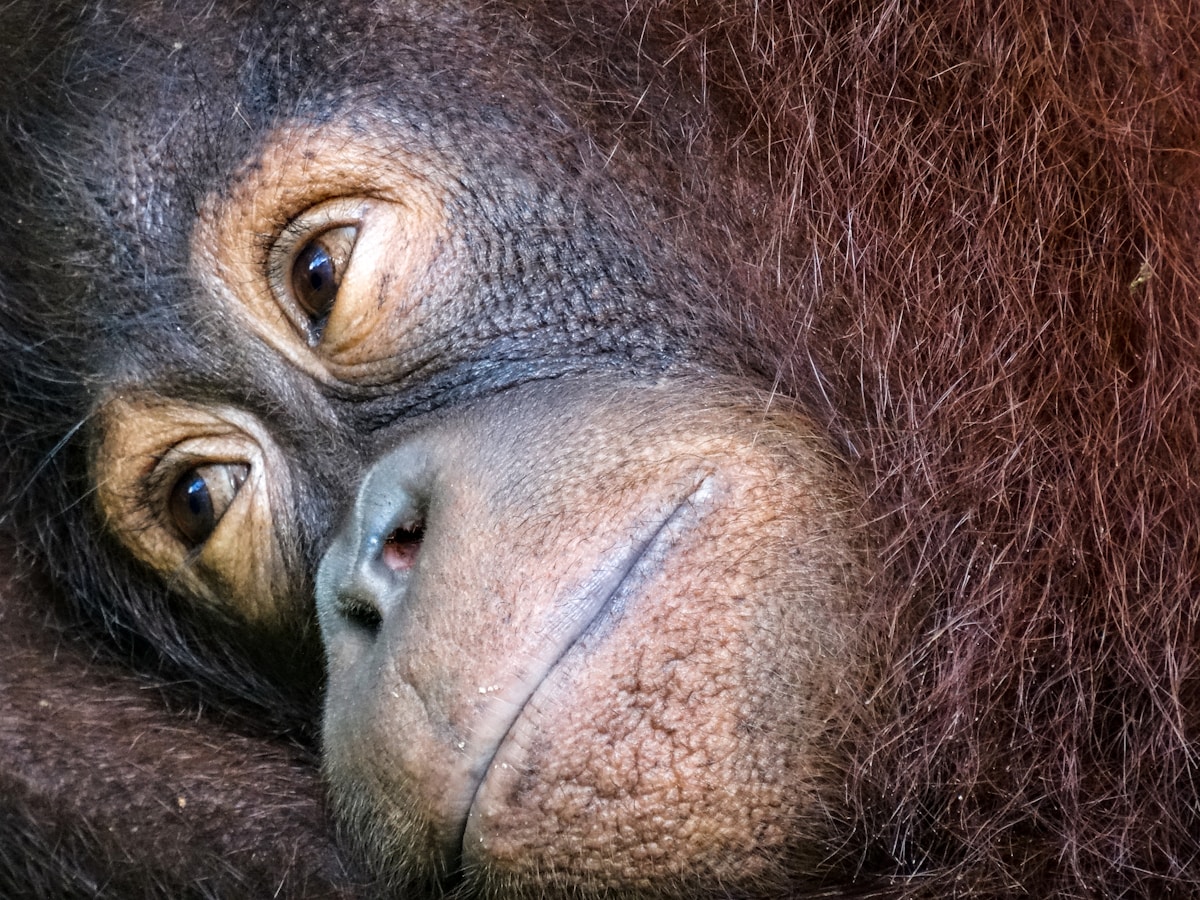
The most accessible orangutan encounter in the world. Sepilok takes in orphaned orangutans — many rescued from plantations or injured in habitat clearance — and runs them through a rehabilitation programme before eventual release into the Kabili-Sepilok Forest Reserve.
Feeding platforms in the forest receive supplementary food at 9am and 3pm. Not all orangutans come to feed every day, but sightings are highly reliable, particularly the 9am session. The experience involves walking a boardwalk through secondary forest to reach the platforms.
The Bornean Sun Bear Conservation Centre is located immediately adjacent to Sepilok and can be visited on the same half-day. It operates on the same rehabilitation model for the world’s smallest bear species.
Base: Sandakan — the centre is 25km west of the city. Taxis and minibuses run from the city centre. Most visitors combine Sepilok with the Kinabatangan River (below).
Semenggoh Wildlife Centre (Kuching, Sarawak)
Sarawak’s orangutan rehabilitation centre, 24km south of Kuching. The setting is more forested and less managed than Sepilok, and the feeding sessions (9am and 3pm) are less predictable — during high fruiting season (roughly October to February/March), the orangutans may stay deep in the forest rather than coming to the platform. Visiting during low-fruit season (June to September) significantly improves the chance of sightings.
The Semenggoh orangutans are more habituated to the forest than those at Sepilok, which makes for a more natural encounter when they do appear. Day-trip from Kuching; book ahead during peak tourist periods.
Kinabatangan River (Sandakan area, Sabah)
The lower Kinabatangan River floodplain is the most important wildlife corridor in Sabah. The combination of logged forest fragments, palm oil plantation edges, and intact riverine forest has, counterintuitively, pushed wildlife into narrow river corridors — making boat-based spotting highly productive.
What to expect: Proboscis monkeys (only found in Borneo, often seen in riverside trees at dusk), Bornean pygmy elephants (riverbank sightings particularly in the dry season), long-tailed and pig-tailed macaques, Oriental pied hornbills, Storm’s storks, crocodiles sunning on sandbars, and occasionally orangutans in the trees above the river.
Night spotlight tours from the lodge boats add owls, civets, and sleeping hornbills to the list.
Practical: Stay in one of the river lodges at Sukau or Bilit — day trips from Sandakan are possible but lose the dusk and dawn sessions, which are the best. Book 3–6 months ahead for dry season (April to October). River lodge quality varies from basic to comfortable; prices range from RM250–750 per night including boat safaris.
See also: Sandakan guide
Danum Valley Conservation Area (Lahad Datu, Sabah)
Danum Valley is 438 square kilometres of virgin lowland dipterocarp rainforest — one of the last intact tracts in Borneo. The biodiversity here exceeds any managed reserve. Species present include the Bornean clouded leopard (nocturnal, rarely seen), Bornean gibbon, red leaf monkey, bearded pig, Bornean banteng, and an exceptional range of birds.
Access is expensive and restricted to two lodges: the Borneo Rainforest Lodge (comfortable, RM800–1,500/night) and the Danum Valley Field Centre (basic research station with limited visitor access). Fly from Kota Kinabalu to Lahad Datu, then 2 hours by resort vehicle.
Worth the cost if primary forest and genuine wildlife immersion is your priority. Not a guaranteed sighting location — the appeal is the quality of the forest itself.
Tabin Wildlife Reserve (Lahad Datu, Sabah)
More accessible and affordable than Danum Valley, Tabin covers 1,205 square kilometres of mostly secondary forest with some intact areas. Regular sightings include proboscis monkeys, pygmy elephants, and sambar deer. The mud volcanoes attract elephants and other mammals seeking minerals — a distinctive Borneo experience. Natural hot springs are a bonus.
Note: Tabin is historically associated with Sumatran rhino sightings, but the Bornean Sumatran rhino is now functionally extinct in the wild. The reserve’s elephant and primate populations remain healthy.
Bako National Park (Kuching, Sarawak)
Bako is the easiest and most rewarding wildlife park in Malaysian Borneo for most visitors. It is 40 minutes by road and 20 minutes by boat from Kuching, and proboscis monkeys, bearded pigs, silverleaf monkeys, and monitor lizards are near-certainties on a full-day visit.
The park’s cliff-top trails also pass through habitats with pitcher plants and coastal heath forest (kerangas). Overnight park chalets are available and recommended — the evenings and early mornings produce the best wildlife activity.
Practical Notes
Best time: Wildlife viewing is year-round in Borneo, with no true dry season. Sabah’s driest months are typically March to September; Sarawak’s east coast tends to be drier June to September. Low fruiting season (when wild fruit is scarce) concentrates orangutans near feeding platforms and rivers, improving sightings.
Responsible tourism: Do not visit any facility that allows physical contact with orangutans, great apes, or sun bears. Do not accept offers of privately held wildlife encounters. Report unethical operators to Traffic (the wildlife trade monitoring network).
Photography: A long lens (200mm+) is useful at all sites. Night tours require a fast lens or permission to use a red-filter torch (confirm with your guide).
Frequently Asked Questions
- Can I see orangutans in the wild in Borneo?
- Truly wild orangutan encounters are possible but unpredictable. The Kinabatangan River floodplain gives the best odds outside of a managed centre — orangutans are spotted semi-regularly in the riverine forest during boat safaris, particularly during low-fruiting periods when they come closer to the river edge. Danum Valley Conservation Area is the best option for genuine primary forest encounters, though sightings are not guaranteed. Sepilok and Semenggoh are semi-wild centres where encounters are reliable but managed.
- Is it ethical to visit Sepilok?
- Yes, visiting Sepilok is considered ethical. The Sepilok Orangutan Rehabilitation Centre is a government facility that rescues orphaned or injured orangutans and prepares them for life in the wild. The feeding platforms exist to supplement the diet of orangutans still in the rehabilitation process — they are not a zoo. Visitor fees directly support the centre's operations. The adjacent Bornean Sun Bear Conservation Centre operates on the same principles. Avoid any private facility that allows physical contact with orangutans — this is not conservation.
Ready to explore?
Browse hundreds of tours and activities. Book securely with free cancellation on most options.
Browse on GetYourGuide →We may earn a small commission — at no extra cost to you.