Wildlife Near Kuching
Book an experience
Top-rated experiences in Kuching Travel Guide
The highest-rated tours and activities in Kuching Travel Guide. Book today, cancel free if plans change.
Kuching punches well above its weight as a wildlife base. Within 40km of the city centre, you can see semi-wild orangutans, near-guaranteed proboscis monkey sightings, sun bears, and one of the world’s largest flowers. No other city in Malaysia offers this concentration of wildlife within day-trip range. Below is a breakdown of each site with the practical details needed to visit them.
Semenggoh Wildlife Centre
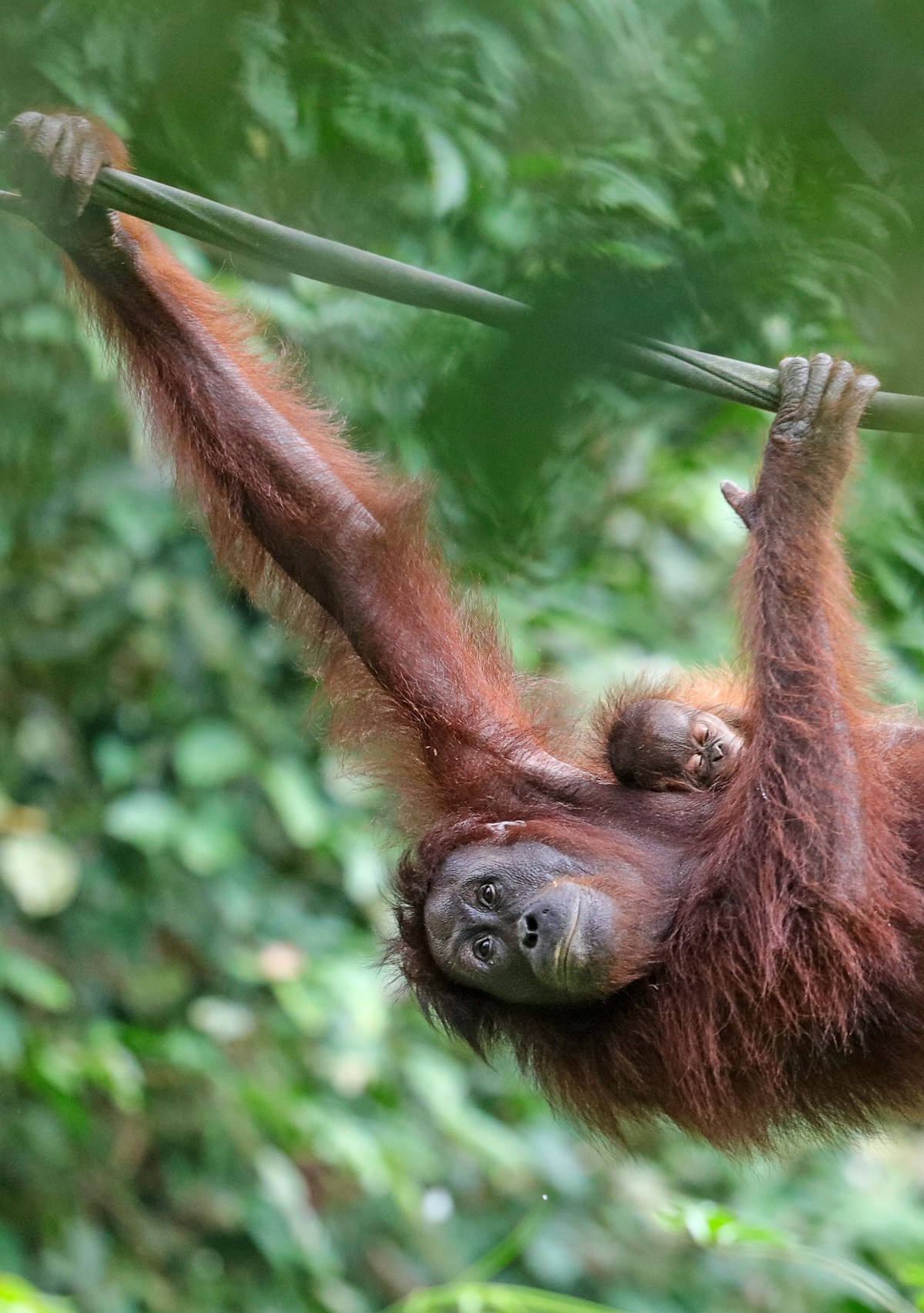
Semenggoh, 24km south of Kuching, is the most significant wildlife encounter available to visitors anywhere in Sarawak. It is not a zoo. The orangutans here are rescued and rehabilitated animals - victims of the pet trade, orphaned when their mothers were killed, or injured by electric fences on palm oil estates - who have been taught to live in forest again. The 740-hectare forest reserve they occupy is unfenced on most sides. They are free to leave.
The twice-daily supplementary feeding sessions (9–10am and 2–3pm) are when the orangutans most reliably appear at a viewing platform. Rangers put out fruits - durian when in season, other local fruit otherwise - and the animals may come. During periods of abundant wild fruit in the forest, some animals ignore the platform entirely and forage independently. This is explicitly good news and is explained by the rangers, but it means sightings are not guaranteed.
When animals do appear - which is most of the time, particularly at morning sessions - the encounters are extraordinary. These are unenclosed, autonomous animals who have chosen to come close. Mothers with young are a regular sight during the durian season (roughly June to August), when multiple orangutans appear simultaneously. The minimum distance between visitors and orangutans is maintained by rangers, but the animals approach to within a few metres on their own terms.
Entry: RM10 for foreigners (approximately USD 2.15). No booking required for entry, but keep numbers in mind - popular sessions can have 30–50 visitors. Grab from central Kuching takes around 30 minutes and costs RM25–35 each way. Morning session (9–10am) is slightly more reliable for sightings than afternoon; arrive 30 minutes before the session starts.
Bako National Park
Bako, 37km from Kuching, is the best park in Sarawak for a full day of accessible wildlife. The park covers a peninsula of coastal Borneo, with sandstone cliffs, sea stacks, mangrove forest at the jetty end, and mixed dipterocarp forest in the interior. It is Sarawak’s oldest national park, established in 1957.
Proboscis monkeys are the headline species and the most reliably seen. These large, pot-bellied monkeys with pendulous noses - found only on Borneo - gather in mangrove trees near the park jetty in the early morning and late afternoon. If you arrive on the first boat and walk the short Telok Assam trail near the park headquarters before 9am, you will almost certainly see them. They are also visible from the jetty itself at dusk when troops return from forest to roost in riverside mangroves.
Also present: bearded pigs are common on the trails and largely unbothered by people. Silver leaf monkeys (leaf monkeys with silver-tipped fur and orange infants) are seen on forest edges. Long-tailed macaques work the beach areas. Pitcher plants line the cliff-top trails - Bako has seven species of nepenthes, concentrated on the exposed heath forest paths above the sandstone ridges.
Entry permit: RM20 for foreigners, booked through the Sarawak Forestry Corporation website. The park closes to day visitors at 6pm. For the best experience - seeing proboscis monkeys both in morning and evening - staying overnight in the park’s chalets (RM100–200/night) is strongly recommended. Book chalets through Sarawak Forestry at least two to four weeks ahead, particularly for weekends.
Transport: Bus 1 from Jalan Masjid in Kuching to Kampung Bako (RM3, 30 minutes), then a shared or private boat to the park jetty (RM10–25, 10–15 minutes). Several Kuching tour operators offer all-in day trip packages including transport, guide, and lunch for RM120–180 per person.
Matang Wildlife Centre
Part of Kubah National Park, 35km from Kuching, Matang is Sarawak’s second orangutan sanctuary. The animals here are at an earlier stage of rehabilitation than at Semenggoh - more of them are in semi-enclosed areas within forest, and the setting feels closer to a sanctuary than a fully free-release environment. Entry is RM20. It receives far fewer visitors than Semenggoh, which means smaller crowds and a quieter experience. For those who have already visited Semenggoh or who want a different perspective on the rehabilitation process, Matang is worth the additional trip.
Kubah National Park itself has walking trails through limestone forest with good birdwatching (pittas are recorded here) and a freshwater stream with small waterfalls. The two sites are adjacent and can be combined in a full day.
Browse tours and activities, Get a Malaysia eSIM, or Compare travel insurance.
Gunung Gading National Park
Gunung Gading, about 90 minutes from Kuching on the road toward Lundu, is the best place in Sarawak - possibly in the world - to see a blooming Rafflesia. The Rafflesia is the world’s largest flower (blooms reach 1 metre in diameter), a holoparasitic plant with no leaves, stem, or roots that lives entirely inside a host vine and appears above ground only when flowering. Blooms last approximately five days.
Entry is RM20. A licensed guide is required to reach the Rafflesia sites within the park (guiding fee RM50–80). The critical issue is that blooming cannot be predicted or planned - the park monitors known bud locations and publishes updates on its Facebook page (Gunung Gading National Park) and through the Sarawak Forestry website. Before making the 90-minute drive, check whether there is a confirmed bloom in progress. Rangers will tell you directly if there is nothing to see; the trip is not worth making speculatively.
For full planning context on visiting Kuching - transport, city highlights, accommodation, and food - see the Kuching travel guide.
Frequently Asked Questions
- Can you see orangutans at Semenggoh Wildlife Centre?
- Yes, though sightings are not guaranteed - the orangutans are semi-wild and free to forage independently when forest fruit is abundant. Twice-daily supplementary feeding sessions at 9–10am and 2–3pm bring the animals to a viewing platform most of the time. The morning session is slightly more reliable. Entry is RM10 for foreigners; the centre is 24km south of Kuching.
- Where can I see proboscis monkeys near Kuching?
- Bako National Park (37km from Kuching) offers near-guaranteed proboscis monkey sightings, particularly on the Telok Assam trail near park headquarters in the early morning and at the mangrove jetty at dusk. Proboscis monkeys are endemic to Borneo and Bako is one of the most reliable places in the world to see them. Entry is RM20 and requires online booking through the Sarawak Forestry website.
- Is Bako National Park doable as a day trip from Kuching?
- Yes, but an overnight stay in the park's chalets is strongly recommended to see proboscis monkeys in both the morning and evening - the two most productive viewing windows. Day trips are worthwhile but you will miss the dusk roosting behaviour. Book chalets at least two to four weeks ahead through the Sarawak Forestry Corporation website.
Ready to explore?
Browse hundreds of tours and activities. Book securely with free cancellation on most options.
Browse on GetYourGuide →Best price guaranteed: same price as booking direct. We earn a small commission at no extra cost to you.