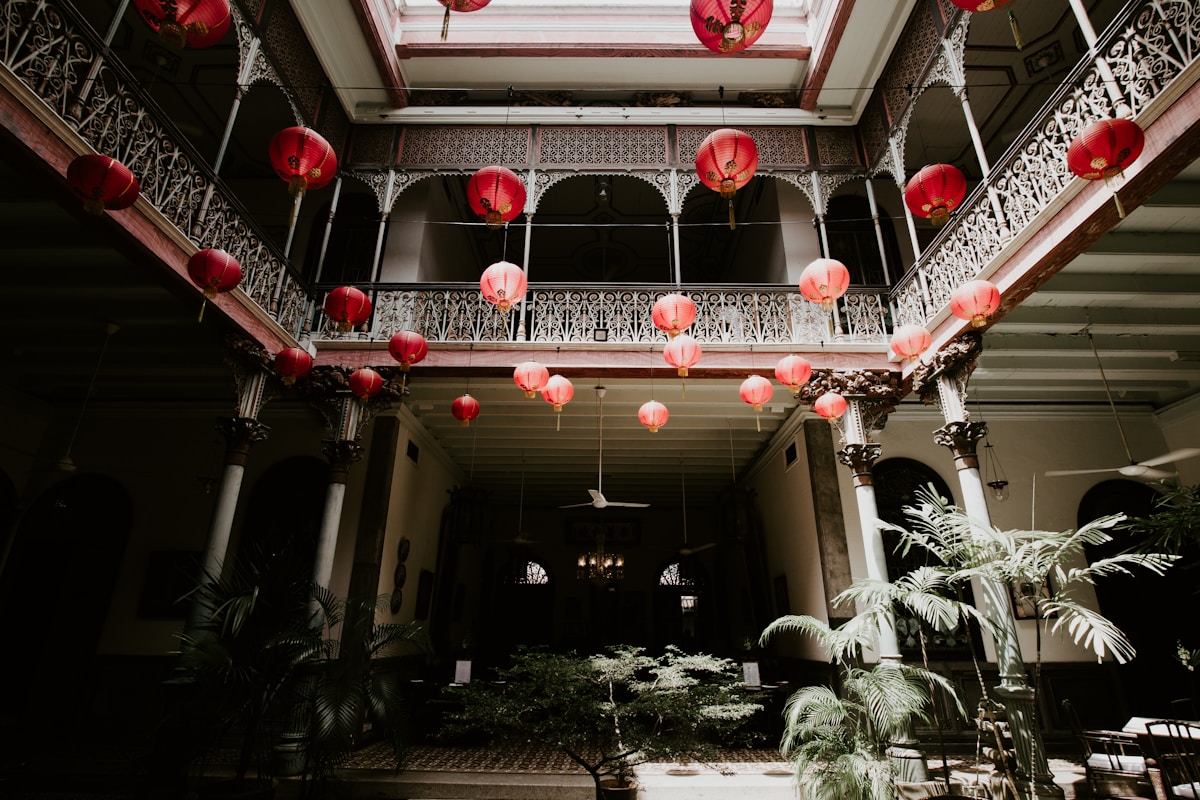
Malacca Travel Guide
Complete guide to Malacca — UNESCO heritage city with Portuguese, Dutch, and British colonial history, Peranakan culture, and outstanding food.
Guides for Malacca
Malacca - also spelled Melaka, its official Malay name - is one of the oldest continuously inhabited cities in Southeast Asia and among the most historically layered. Its position on the Strait of Malacca made it one of the most important trading ports in the world during the 15th and 16th centuries. Portuguese colonists seized it in 1511. The Dutch took it from the Portuguese in 1641. The British acquired it in 1824. Each power left visible marks on the built environment, and those marks, overlaid on a dense base of Chinese, Indian, and Malay settlement, are what give Malacca its character today.
UNESCO listed Malacca as a World Heritage Site in 2008, alongside Penang’s Georgetown. The heritage zone is compact - most of the significant colonial and cultural architecture sits within a 1 km radius - and is easily explored on foot.
The Peranakan Factor
The most distinctive cultural element of Malacca is not Portuguese or Dutch but Peranakan - also called Baba Nyonya. Peranakan culture developed among Straits-born Chinese settlers who adopted Malay customs, language, and dress while maintaining Chinese religious practices and traditions. The result is a hybrid culture with its own cuisine, ceramic tradition, embroidery, and architecture. Malacca and Penang are its two main centres, and Malacca arguably has the more intact physical legacy - the Baba Nyonya Heritage Museum on Heeren Street is the best place to encounter it in depth.
Key Areas
Dutch Square / Red Square (Dataran Pahlawan) is the postcard centre of colonial Malacca - the red-painted Stadthuys (17th century, originally the Dutch governor’s residence), the clock tower, and Christ Church (completed 1753, still functioning) cluster around a small square a short walk from the river. The trishaws that congregate here are aggressively decorated with plastic flowers and LED lights and play music at volume. They are a Malacca fixture.
St Paul’s Hill rises directly behind Dutch Square. The ruined St Paul’s Church at the summit dates from 1521 (originally a Portuguese chapel) and contains old gravestones of Dutch and Portuguese colonists. The climb takes five minutes and the view over the river and coast is worth it.
Jonker Street (Jalan Hang Jebat) runs parallel to the river and is the heart of Malacca’s Chinese quarter. Antique shops, cafes, and Peranakan craft stores operate during the day. The night market runs Friday, Saturday, and Sunday evenings.
Chinatown / Heeren Street area is where the Baba Nyonya Heritage Museum sits, along with a high density of restored Peranakan shophouses now housing cafes and boutiques.
The Portuguese Settlement sits about 3 km from the city centre - a small coastal enclave where descendants of 16th-century Portuguese colonists still live. The community maintains Kristang culture, a Portuguese-Malay creole, and runs a seafood square (Medan Portugis) where you can eat Eurasian dishes most evenings.
Getting There
From Kuala Lumpur: Buses from TBS terminal depart frequently and take 2 to 2.5 hours. Cost is RM11–15. This is the standard route for almost all visitors. Driving from KL takes the same time on the PLUS Highway. There is no direct rail link - the nearest KTM station is Pulau Sebang/Tampin, requiring an onward taxi (RM25–35).
From Johor Bahru / Singapore: Buses connect JB to Malacca Central in around 2.5 hours (RM18–25). From Singapore, there are direct express coaches from Queen Street or Lavender bus terminals (around 4 hours including border crossing, S$15–25).
From Penang: Buses to Malacca Central run in 5 to 6 hours (RM35–50) - a long day but manageable if you depart early.
Getting Around
Walking covers all the major sights in the heritage zone. Dutch Square to A Famosa is a 10-minute walk. Jonker Street is 5 minutes from Dutch Square.
Grab works reliably for reaching the Portuguese Settlement, Malacca Central bus terminal, and any point beyond walking distance.
Trishaws - the three-wheeled cycle rickshaws decorated to excess - are the iconic Malacca transport. They cost RM40–60 per hour and function as tourist attractions more than practical transport. A short ride around the heritage zone is worth doing once.
Best Time to Visit
Malacca’s weather is warm and humid year-round (30–33°C). It sits outside the main monsoon belts and receives moderate rain throughout the year, with slightly wetter spells from October to November. There is no strong “best season.” Weekends bring domestic tourism from KL and Singapore - the heritage zone can be crowded Friday evening through Sunday. Visiting mid-week gives a noticeably quieter experience.
How Long to Spend
One day: Covers Dutch Square, St Paul’s Hill, A Famosa, a Baba Nyonya museum tour, and the Jonker Street night market (Friday–Sunday). Tight but feasible.
Two nights: The comfortable option. Allows a slower pace, a visit to the Portuguese Settlement, a proper exploration of the food, and time to walk areas beyond the immediate heritage core.
Malacca works well as a stop between Kuala Lumpur and Singapore, or as a two-night excursion from KL.
Browse tours and activities, Book airport transfers, or Get a Malaysia eSIM.
More Malacca Guides
- Things to do in Malacca - Dutch Square, Baba Nyonya Heritage Museum, Jonker Street night market, and river cruises
- Best hotels in Malacca - heritage hotels in Georgetown, boutique shophouses, and budget guesthouses near the core
- Food to try in Malacca - chicken rice balls, cendol, Nyonya laksa, and the Portuguese Settlement seafood grills
- Malacca heritage walking tour - self-guided route through the UNESCO World Heritage core
- Day trips from Malacca - Port Dickson beaches, Johor Bahru, and Kuala Lumpur connections
- Best hotels in Malacca - shortlist of the best-value stays from boutique shophouses to river-view guesthouses
- Penang vs Malacca - both are UNESCO heritage cities: which one fits your trip?
- Ipoh vs Malacca - two of Malaysia’s best non-KL cities compared on food, history, and logistics
- Nyonya cuisine guide - Peranakan food history and the best Nyonya restaurants in Malacca and Penang
- Peranakan Nyonya culture guide - the history and cultural context of the Straits Chinese community
- 10 days in Malaysia itinerary - how Malacca fits into the west coast route between KL and the Cameron Highlands
Upcoming Events in Malacca
Deepavali 2026
Deepavali 2026 falls on 20 October - a public holiday across Malaysia. Brickfields in KL and Little India in Penang are the most atmospheric spots.
Book an experience
Top experiences in Malacca
Explore the best tours and activities in Malacca, with instant confirmation and free cancellation on most bookings.