Perhentian Islands Travel Guide
The Perhentian Islands — two car-free islands off Terengganu with sea turtles, reef diving, and budget guesthouses. Open May–September only.
Guides for Perhentian Islands
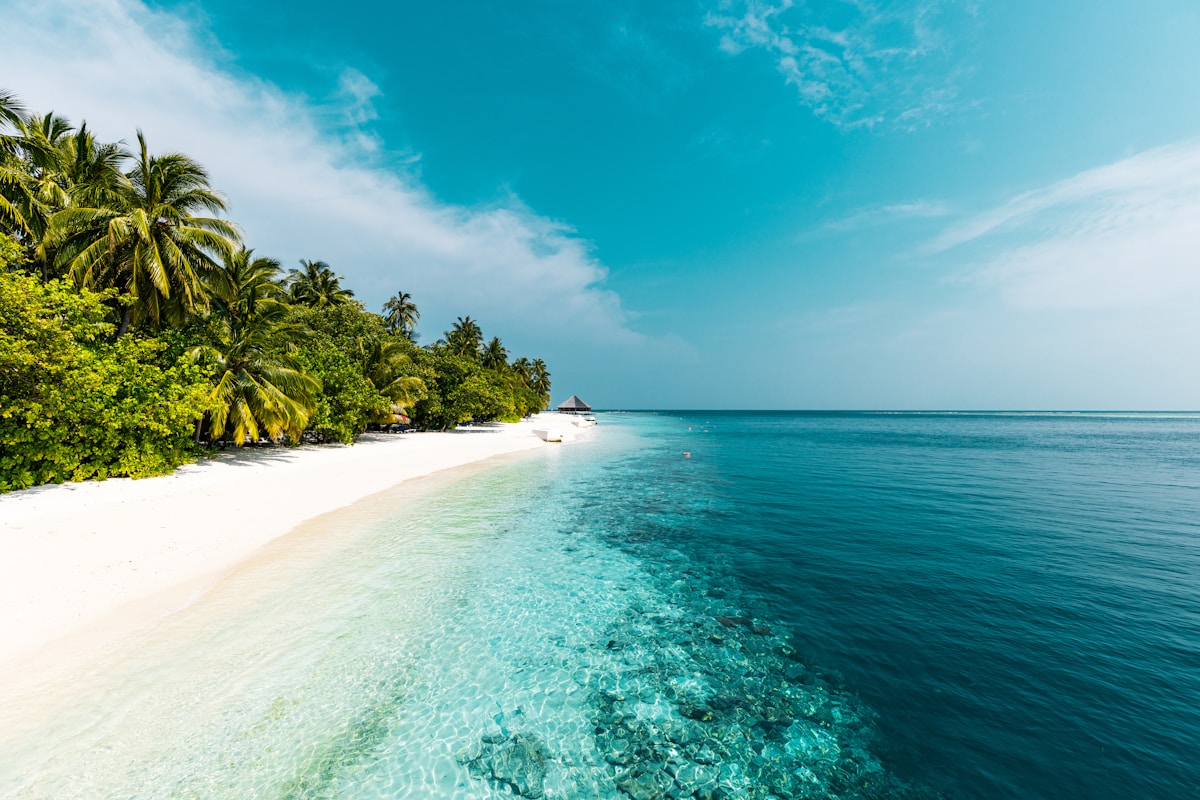
The Perhentian Islands sit approximately 21 km off the Terengganu coast, reached by a 30-minute speedboat from Kuala Besut jetty. The group consists of two main islands - Pulau Perhentian Besar (the larger, quieter island) and Pulau Perhentian Kecil (the smaller, livelier island) - plus several uninhabited islets used for snorkelling day trips. There are no cars, no ATMs, no banks, and no consistent mobile signal. That is precisely the appeal: the islands run on minimal infrastructure that keeps the focus on the water.
The Perhentians are a Marine Park, which restricts fishing, anchoring on coral, and most motorised water sports. The reef systems remain in reasonable condition as a result, and the islands consistently rank as one of the best accessible snorkelling and budget diving destinations in Southeast Asia. A Marine Park conservation fee of approximately MYR 30 per person is collected on arrival (typically included in your accommodation booking as of 2026).
Open Season: May to September
This is not a year-round destination. The northeast monsoon closes the islands between October and April - seas become too rough for boats and almost all accommodation shuts down completely. The speedboat service from Kuala Besut suspends for the entire off-season. Any trip must be planned within the May–September window.
Visibility and weather are generally best in June and July; August is peak season with the highest accommodation demand. May is a reasonable shoulder month with fewer crowds and lower prices, though some operators are still setting up for the season. September sees occasional storms as the monsoon transition begins - check conditions before booking late-season trips.
Perhentian Kecil: The Backpacker Island
Perhentian Kecil is the more popular island for independent travellers, backpackers, and budget divers. Its two main beaches sit on opposite sides of a narrow neck of land, connected by a jungle trail that takes under 30 minutes to walk.
Long Beach (Pantai Panjang) on the east coast is the liveliest area - the longest beach on Kecil, with the most guesthouses, beach bars, and dive operators. This is where the social scene is concentrated. Waves can be choppy when swells come from the east. A handful of beach bars stay open late, making Long Beach the closest thing to nightlife on the Perhentians.
Coral Bay on the west coast is smaller, quieter, and faces calmer water most of the time. Snorkelling directly off the beach is better here than at Long Beach - reef fish and small turtles are regularly visible within wading distance. Coral Bay suits travellers who want to be on Kecil but prefer a quieter evening.
Tuna Bay (Teluk Kerma) is a secluded beach at the northern end of Kecil, accessible by a 40-minute jungle trail from Long Beach or by water taxi (approximately MYR 30 per person). Only a few guesthouses operate here, making it the quietest option on Kecil.
Perhentian Besar: The Quieter Island
Perhentian Besar is larger, hillier, and more resort-oriented. The main accommodation options are mid-range resorts offering packages that include meals and snorkelling trips. Besar attracts couples and families who prefer a slower pace over the social atmosphere of Kecil. The beaches are less crowded and the jungle interior is thicker - a hiking trail crosses the island between the main resort beaches.
Where to stay on Besar:
- Perhentian Island Resort - The largest property on Besar, with air-conditioned rooms, a restaurant, and a dive centre. From approximately MYR 350 per night including breakfast as of 2026. Beachfront location on the western coast.
- Mama’s Place - A mid-range guesthouse on the western shore with simple fan and air-con rooms. From approximately MYR 150 per night as of 2026. Reliable for couples wanting comfort without resort pricing.
- Abdul’s Chalets - Basic fan-cooled chalets on the southern end. From approximately MYR 80 per night as of 2026. No frills, but the beach directly in front has good snorkelling.
Where to stay on Kecil:
- Bubu Long Beach Resort - The most upmarket option on Kecil, directly on Long Beach with air-conditioned rooms and a beachfront restaurant. From approximately MYR 300 per night as of 2026.
- Panorama Chalet - A reliable mid-range choice on Coral Bay with fan and air-con rooms. From approximately MYR 120 per night as of 2026. Connected to Panorama Dive Centre.
- Mohsin Chalets - Budget fan rooms on Long Beach. From approximately MYR 60 per night as of 2026. Basic but clean, popular with backpackers who book well in advance for peak season.
Snorkelling and Diving
The Perhentians are best known for their accessibility. Sea turtles are a near-reliable sighting at Turtle Beach (on Besar’s western coast), D’Lagoon (on Kecil’s north end), and Three Coves Bay. Green and hawksbill turtles feed on the shallow seagrass beds and rest on the reef throughout the day.
Key dive sites:
- Shark Point - Black-tip reef sharks patrol a coral slope at 12–18 metres. One of the most popular sites for certified divers.
- Sugar Wreck - A deliberately sunken sugar freighter at 18 metres, encrusted with coral and home to barracuda, lionfish, and batfish.
- Temple of the Sea - A coral garden at 10–14 metres with excellent macro life and frequent turtle sightings.
- Tokong Laut (Sail Rock) - An exposed pinnacle with strong currents, suitable for advanced divers. Whale sharks have been spotted here, though sightings are rare and seasonal.
Visibility averages 10–20 metres depending on conditions, with June–August typically the clearest. Water temperature stays around 27–29°C year-round. Most sites are accessible to beginners and snorkellers as well as certified divers. Guided diving and snorkel trips at the Perhentian Islands are available through multiple operators on both islands.
Dive operators on Kecil:
- Turtle Bay Divers (Long Beach) - PADI 5-star centre. Open Water course approximately MYR 900 as of 2026.
- Panorama Dive Centre (Coral Bay) - PADI-certified. Open Water approximately MYR 850 as of 2026. Also runs daily snorkel trips (approximately MYR 50 per person including equipment).
- Quiver Dive Team (Long Beach) - SSI-affiliated. Competitive pricing and small group sizes.
PADI Open Water courses run across 3–4 days and typically cost MYR 800–1,100 including materials and certification fees. Fun dives for certified divers cost approximately MYR 80–120 per dive.
Snorkel day trips visit 3–4 sites over a half day, departing around 9:30am and returning by 1:30pm. Expect to pay approximately MYR 40–60 per person including mask and snorkel. Fins are sometimes an extra MYR 10.
Getting There
Step 1 - Reach Kuala Besut jetty. The jetty is in Terengganu state on the northeast coast of Peninsular Malaysia.
- From Kuala Lumpur: Fly to Sultan Ismail Petra Airport in Kota Bharu (approximately 1 hour, from MYR 100 one way on AirAsia or Firefly as of 2026), then take a taxi to Kuala Besut jetty (approximately 45 minutes, MYR 80–100). Alternatively, take an overnight bus from TBS terminal to Kuala Besut (departures around 21:00–22:00, arriving 05:00–06:00, approximately MYR 40–55).
- From Kuala Terengganu: Taxi or Grab to Kuala Besut, approximately 1 hour south, MYR 80–100.
- From Kota Bharu: Taxi to Kuala Besut, approximately 45 minutes, MYR 80–100.
Step 2 - Speedboat to the islands. Speedboats from Kuala Besut jetty run roughly 08:00–17:00 during the open season. The crossing takes approximately 30 minutes. Return tickets cost approximately MYR 70 as of 2026 (MYR 35–45 one way). Boats to Perhentian Kecil dock at Long Beach and Coral Bay; boats to Perhentian Besar dock at the main resort jetties. Specify which island and beach when buying your ticket.
Kuala Terengganu is a practical base if you arrive late and need an overnight stay before the morning boat.
For full logistics including bus timetables, combined bus-boat options from KL, and Kuala Besut jetty details, see our East Coast Island Transfers guide.
Food and Budget
Food options on the islands are limited compared to the mainland, and prices reflect the cost of transporting everything by boat. Expect to pay approximately MYR 15–30 for a main course at guesthouse restaurants - roughly double the price of equivalent food in Kota Bharu or KL. Western food (pizza, pasta, burgers) is available at most Long Beach restaurants but quality varies. The best meals tend to be the simpler Malaysian dishes: nasi goreng, mee goreng, and fresh grilled fish when available.
Alcohol is available on both islands despite Terengganu being a conservative Muslim-majority state. Beer costs approximately MYR 12–18 per can. Cocktails at beach bars on Long Beach run MYR 15–25.
Daily budget estimates (per person, as of 2026):
- Budget: MYR 100–150 (fan room, local food, snorkelling trip)
- Mid-range: MYR 250–400 (air-con room, restaurant meals, diving)
- Comfortable: MYR 500+ (resort on Besar, all meals, multiple dives)
Bring enough cash from the mainland. There are no ATMs on the islands and card payments are rare - some resorts on Besar accept cards but do not rely on it. The nearest ATMs are in Kuala Besut town.
What to Pack
The islands have limited shopping, so arrive prepared:
- Cash - enough for your entire stay plus a buffer for unexpected expenses
- Reef-safe sunscreen - the Marine Park takes coral protection seriously; conventional sunscreens containing oxybenzone damage reef systems
- Water shoes - coral and rocks at many entry points make barefoot swimming uncomfortable
- Mosquito repellent - essential, particularly around dusk and in jungle areas
- Waterproof phone pouch - useful for snorkelling photos and protecting your phone from spray on the boat crossing
- Torch/flashlight - power outages on Kecil are common; most guesthouses run generators with limited hours (typically 6pm–midnight)
- Basic first aid - there is a small clinic on Kecil but medical supplies are limited; anything serious requires evacuation to the mainland
Practical Notes
June through August fills fast - book accommodation at least two to three months ahead for those months. Most guesthouses on Kecil do not accept advance online bookings; contact them directly via WhatsApp or phone. Resorts on Besar are more likely to appear on booking platforms.
Mobile signal is unreliable on both islands. Celcom and Digi have the best coverage, but expect dead zones, especially on Besar’s eastern side and in the island interiors.
The return journey to Kuala Besut typically takes the last boat by mid-afternoon - confirm departure times with your accommodation a day before leaving. Missing the last boat means an unplanned extra night on the island.
Choosing between the Perhentians and Terengganu’s other main island? See Perhentian Islands vs Redang Island for a comparison of coral quality, accommodation, cost, and what type of traveller each suits.
More Perhentian Islands Guides
- Things to do in the Perhentian Islands - snorkelling, diving, kayaking, turtle watching, and island hopping
- Best hotels in the Perhentian Islands - Long Beach vs Coral Bay on Kecil, resort options on Besar, booking strategy
- Diving and snorkelling in the Perhentian Islands - dive sites, turtle spots, PADI courses, and snorkel day trip operators
- Perhentian Islands vs Redang Island - comparing Malaysia’s two most popular east coast islands on coral, budget, and access
- East Coast Island Transfers guide - getting to Kuala Besut from KL, Kota Bharu, and Kuala Terengganu
- Kota Bharu travel guide - the closest mainland city to Kuala Besut jetty, with direct bus connections
- Kuala Terengganu travel guide - the east coast city south of the Perhentians and the most practical overnight stop before the ferry
- Best diving in Malaysia - the Perhentians in context with Sipadan, Tioman, and Malaysia’s other dive destinations
- 1 week Malaysia itinerary - how to fit the Perhentians into a short Malaysia trip from KL
Upcoming Events in Perhentian Islands
Deepavali 2026
Deepavali 2026 falls on 20 October - a public holiday across Malaysia. Brickfields in KL and Little India in Penang are the most atmospheric spots.
Book an experience
Top experiences in Perhentian Islands
Explore the best tours and activities in Perhentian Islands, with instant confirmation and free cancellation on most bookings.