Getting Around Malaysia: Transport Guide 2026
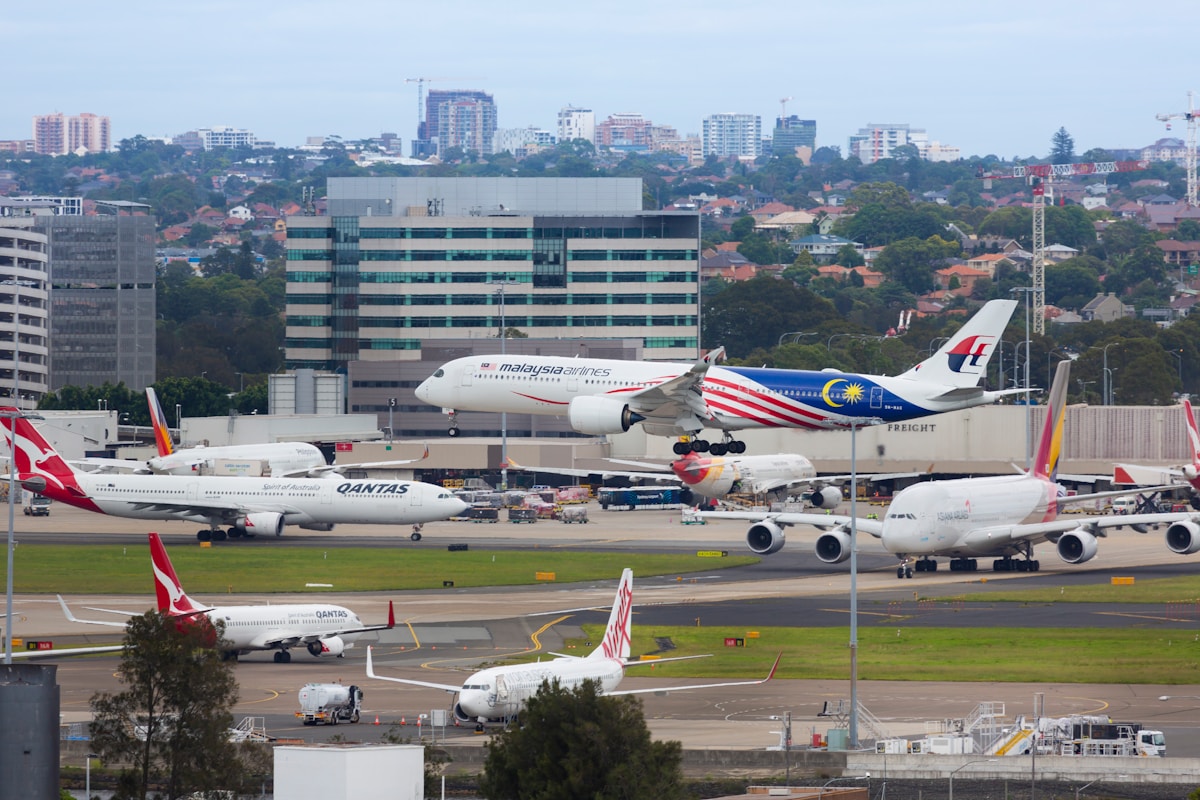
Malaysia has a well-developed transport network across the peninsula and decent connections to Sabah and Sarawak, though Borneo requires more planning. The combination of domestic flights, intercity buses, and Grab covers the majority of traveller needs.
Domestic Flights
AirAsia dominates domestic routes on the peninsula - KL to Penang, KL to Langkawi, KL to Kota Kinabalu, KL to Kuching, and many more. Fares booked 2–4 weeks ahead typically run RM50–120 one-way. Last-minute fares can be RM200–400. AirAsia operates from Kuala Lumpur International Airport (KLIA2, its dedicated terminal) and from Penang, KK, Kuching, and other airports.
Malaysia Airlines covers the same major routes plus some thinner Sabah and Sarawak routes (Miri, Sandakan, Tawau, Sibu, Bintulu). MAS fares are typically RM80–200 for the same routes AirAsia serves, but the service is full-carrier. For Sandakan and Tawau specifically, flying is the strongly recommended option over overland travel through eastern Sabah.
Book early: Malaysian school holidays (May–June, August, November–December) and public holidays cause significant fare spikes. Prices 6–8 weeks out are often half the last-minute rate.
Trains
KTM ETS (Electric Train Service) runs between Kuala Lumpur (KL Sentral) and Ipoh (~2 hours, RM35–55), Taiping, Butterworth (for Penang, ~4 hours, RM80–95), and Padang Besar (Thai border). The ETS is comfortable, air-conditioned, and reliable - the preferred option for the KL–Penang corridor. Book at ktmb.com.my; advance booking is strongly recommended during school holidays.
ERL (Express Rail Link) connects KLIA and KLIA2 airports to KL Sentral in 28–33 minutes (RM35–55). This is the most reliable way to get into KL from the airport and avoids the taxi/Grab traffic on the expressway at peak hours.
KL Urban Rail: The city has an integrated network of LRT (Kelana Jaya and Ampang lines), MRT (Putrajaya and Kajang lines), Monorail, and KTM Komuter. A Touch ‘n Go card loaded with credit covers all lines - buy one at any station for RM10 (RM6 deposit + RM4 credit). Single-journey fares are RM1.20–7.10 depending on distance.
Buses
Long-distance buses in Malaysia are cheap, reasonably comfortable, and cover routes the train doesn’t reach.
Terminal Bersepadu Selatan (TBS) in KL is the main intercity bus hub. From TBS: Penang (4.5–5 hours, RM35–45), Malacca (2 hours, RM12–18), Johor Bahru (3.5–4 hours, RM25–35), Cameron Highlands (3.5 hours, RM25–35). Book through busonlineticket.com or Easybook.
Aeroline and KKKL run premium-coach services with aircraft-style seats on the KL–Penang and KL–Singapore corridors. Fares RM45–70 one-way. Pick-up and drop-off at specific points (1 Utama, Hentian Duta, IOI City Mall) rather than TBS.
Transnasional is the national intercity operator with the widest network, including routes to smaller towns.
Grab
Grab is the dominant ride-hailing platform in Malaysia and effectively replaced standard street taxis in most cities. Standard GrabCar fares: RM8–15 for short KL city trips, RM20–40 for airport transfers from central KL to KLIA (though ERL is faster and cheaper at peak traffic).
In Penang, Grab operates across Georgetown and the island. In Kuching and Kota Kinabalu, Grab is available but driver supply is thinner than in KL. Rural areas including Cameron Highlands and Langkawi inland have very limited Grab availability - factor this in when planning accommodation.
Car Rental
Car hire in Malaysia makes sense for:
- Cameron Highlands: No rail link. Buses run but schedules are infrequent. Driving up from KL takes 2.5–3 hours via the Karak Highway.
- Langkawi: The island is easily driven. Budget car rental is RM80–130 per day. Roads are good and the island is small enough to cover fully.
- Sabah self-drive: Useful if based around Kota Kinabalu and heading to Kinabalu Park, Kundasang, and the west coast. Not recommended for eastern Sabah (Sandakan/Lahad Datu area) due to varying road quality and remoteness.
For airport transfers and point-to-point routes where Grab isn’t available, private transfers in Malaysia are a reliable alternative worth comparing.
International licences and most foreign licences in English are accepted for up to 90 days.
Ferries
Penang-Butterworth: The oldest service still operating, connecting Georgetown’s Raja Tun Uda Ferry Terminal to Butterworth on the mainland. Useful for train connections (Butterworth station is Malaysia’s main northern rail terminus). 15-minute crossing, RM1.20 for passengers (RM7.70 for motorcycles). Runs frequently from 5:30am to around midnight.
Langkawi ferries: From Penang (2.75 hours, RM70–80 one-way) or Kuala Perlis (1.5 hours, RM23–30). Penang departure from Swettenham Pier; Kuala Perlis is a small town reached from Alor Setar or KL by bus/train.
Perhentian Islands: Speedboats depart from Kuala Besut jetty, 1.5 hours from Kota Bharu. Crossing takes 30–45 minutes, RM35–45 per person. Islands are accessible from April to October only - northeast monsoon closes the islands from November to March.
Singapore Border (JB–Woodlands)
By train: The KTM Shuttle Train runs between JB Sentral and Woodlands (Singapore). Passport control at each end. RM5 one-way; combined with Singapore MRT for onward travel.
By bus: Numerous operators (Causeway Link, Transtar, SJE) cross the Johor Causeway between TBS in KL and various Singapore points. 4–5 hours total KL to Singapore. The Causeway itself can queue 1–3 hours during Friday evenings and Sunday afternoons.
On foot: It is possible to walk across the Johor Causeway - cross into Singapore after the Malaysian customs complex at JB. Unusual but legal and free.
Plan Your Trip
✈️ Book your flights to Malaysia 🛡️ Get travel insurance 📱 Stay connected with an eSIM 🚗 Rent a car
Related guides: ETS and KTM trains in Malaysia | Car rental in Malaysia | KLIA to Kuala Lumpur | Basic Malay phrases
Plan Your Trip
✈️ Book your flights to Malaysia 🛡️ Get travel insurance 📱 Stay connected with an eSIM 🚗 Rent a car
Book an experience
Top tours to book now
Already planning? These are the most popular experiences for this destination.
Frequently Asked Questions
- Is Grab reliable everywhere in Malaysia?
- Grab is reliable and fast in Kuala Lumpur, Penang, Johor Bahru, Kuching, and Kota Kinabalu. In smaller towns and rural areas - Cameron Highlands, Langkawi's inland areas, rural Sabah - it is unreliable or unavailable. Taxis or rental cars fill the gap.
- Can I drive in Malaysia with a foreign driving licence?
- Yes, for up to 90 days. Licences in English (or with an international driving permit) are accepted. Drive on the left. Roads in peninsular Malaysia are generally well-maintained; rural roads in Sabah and Sarawak vary significantly.
- How do I get Grab in Malaysia?
- Download the Grab app and register with any phone number, including a foreign number. Payment can be linked to an international Visa or Mastercard. No Malaysian phone number or bank account is required.
Airport Transfers
Book Your Transfer in Advance
Fixed-price transfers from KLIA, Penang Airport, Kota Kinabalu Airport, and more. Driver meets you at arrivals: straightforward and priced upfront.
Search Kiwitaxi →Same price as booking direct: we earn a small commission at no extra cost to you.